When an appliance leak soaks carpet, damages a ceiling and leaves a strong odor, the first goal is not to win an argument with the landlord. It is to make the area safe, preserve evidence, start appropriate drying and create a clear record of every request and response.
Quick answer: Treat active water, wet electrical areas, a sagging ceiling or sewage as a safety and emergency-maintenance problem; treat a strong or worsening odor as a reason for prompt assessment. Photograph and record the damage immediately, notify the landlord in writing, ask for a qualified water-mitigation assessment and preserve every receipt and message. Do not assume that a comment about “48 hours” gives you a fixed Georgia deadline, and do not withhold rent, deduct repairs or move out without checking the lease and Georgia-specific rules first. Rent, habitability and termination remedies depend on the facts, the lease and the correct legal process.
Editorial note: This article uses an anonymized and generalized tenant scenario. It provides general information, not Georgia legal, medical, insurance, housing-code or mold-remediation advice. Water damage can create safety and health risks; use emergency services, qualified contractors, insurers, tenant advocates and attorneys as appropriate.
A Georgia Rental Water-Damage Scenario
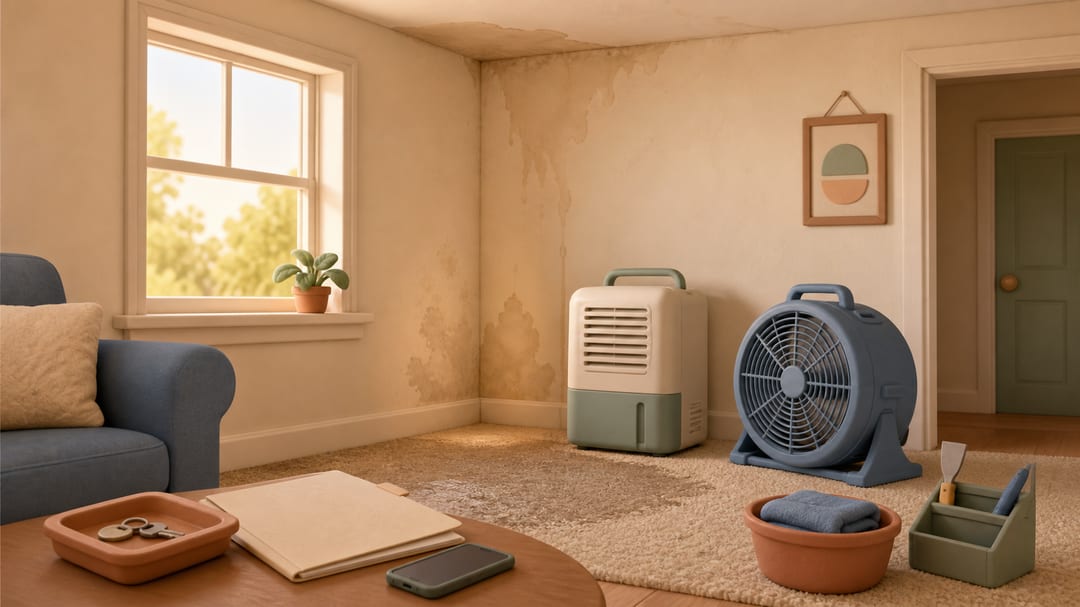
Imagine a Georgia tenant whose landlord replaces an appliance. After the landlord leaves, the appliance leaks or continues running and floods the room. Water travels through the floor and damages the ceiling of the room below. The carpet outside remains soaked for several days, the home develops a strong odor and the tenant worries about mold.
The tenant reports the flooding the same day and keeps the conversation in text messages. The landlord returns to address the appliance but does not promptly dry the carpet or inspect the affected ceiling and walls. Later suggestions include towels, air-drying and turning off the air conditioner, while the tenant is considering moving out as soon as financially possible.
The difficult questions are practical and legal at the same time:
- Is the space safe to occupy right now?
- Has the water source actually been stopped and tested?
- Which materials need extraction, drying, removal or inspection?
- What should the tenant do with furniture and personal belongings?
- When is a landlord response unreasonably delayed?
- Can the tenant repair and deduct, withhold rent, break the lease or claim property damage?
The answers should be handled in that order. A tenant should not let an argument about rent distract from immediate safety and drying.
Step 1: Handle Immediate Safety Before the Lease Dispute
Leave the affected area and use emergency help if there is an immediate threat such as:
- active water near outlets, power strips, appliances or electrical panels;
- a ceiling that is sagging, cracking, bulging or visibly separating;
- water near gas equipment or other dangerous utilities;
- sewage, contaminated water or unknown water quality;
- a strong chemical, electrical or gas odor;
- a fall, shock, breathing problem or other urgent injury or health symptom.
Do not touch wet electrical equipment or walk through water where electricity may be present. If it is safe and you know how, follow the appropriate utility or property emergency instructions; otherwise leave the area and call the relevant emergency or maintenance channel.
Do not enter a visibly unstable ceiling area to take a better photograph. A wide shot from a safe location, a timestamped video and a written description are more useful than putting yourself at risk.
Step 2: Stop the Source and Preserve the Scene
The first repair question is not “Who pays for the carpet?” It is “Has the source of the water been stopped and verified?”
Ask the landlord in writing to confirm:
- what appliance, pipe or fixture caused the leak;
- when it was disconnected, repaired or tested;
- whether water reached the subfloor, wall cavities, ceiling assembly or electrical components; and
- who will inspect, extract, dry and document the affected materials.
Do not throw away damaged items or cut open a wall before documenting them unless an emergency professional must do so to make the home safe. Photograph and video:
- the appliance and surrounding floor;
- every wet carpet, baseboard, wall and ceiling;
- stains, bubbling paint, swelling, buckling or soft flooring;
- the room below and any water path between rooms;
- visible moisture, odor and changes over time; and
- furniture, clothing, electronics or other belongings that were affected.
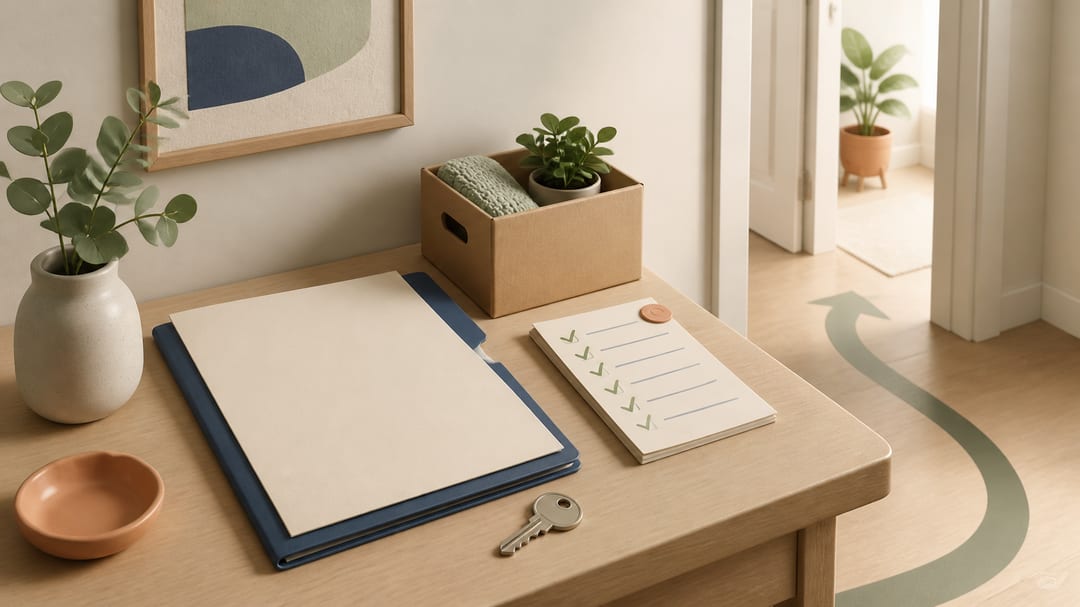
Use a simple log with the date, time, location, observation, person contacted, response and next promised action. Keep original files, not only edited screenshots.
Step 3: Request Drying and Inspection in Writing
“Let it air-dry” is not a complete water-mitigation plan. The appropriate response depends on the amount and type of water, how long materials stayed wet, the construction, the HVAC system and what a qualified professional finds.
The U.S. Environmental Protection Agency recommends drying wet materials within 24–48 hours where possible and keeping indoor relative humidity below 60%, ideally between 30% and 50%. That is a moisture-control benchmark, not a Georgia deadline by which a landlord automatically loses a case.
Your written request should be calm and specific:
Water from the appliance affected the carpet, the floor and the ceiling/wall area below. I reported it on [date and time]. The carpet remains wet and there is a strong odor. Please confirm by [reasonable time] who will inspect the source, extract standing or trapped water, measure moisture, dry the affected materials and evaluate the ceiling, walls, flooring and HVAC/electrical areas. Please also confirm whether the affected room should be avoided until inspected.
Ask for an actual mitigation appointment, not only a promise to bring towels. Depending on the damage, a qualified contractor may need to use extraction, air movement, dehumidification, moisture measurements, controlled removal of porous materials or a building inspection. Do not assume every soaked ceiling, carpet or wall must be removed, but do not assume surface drying is enough either.
EPA recommends professional help when water is contaminated, hidden mold is suspected, an HVAC system may be contaminated, the damage is extensive or mold covers more than about 10 square feet. EPA does not certify mold contractors, so check qualifications, experience and references rather than relying on a label alone. See EPA's mold-cleanup guidance.
What About the Air Conditioner?
A blanket instruction to turn the air conditioner off is not a universal water-damage rule. Cooling can reduce temperature and some air-conditioning systems can reduce humidity, but the correct decision depends on the system, the location of the water and whether the HVAC equipment or ductwork is contaminated.
The safer approach is to ask a qualified remediation or HVAC professional to evaluate:
- indoor humidity and temperature;
- whether the HVAC system is in or connected to the affected area;
- whether filters, coils, ducts or air handlers were exposed;
- whether fans would spread contamination or simply improve drying; and
- what equipment can run safely without creating an electrical or air-quality hazard.
Do not operate equipment that was wet or contaminated. Do not use a fan to blow air across sewage or visibly moldy material without professional direction. The goal is controlled drying and humidity management, not a generic “AC on” or “AC off” rule.
Georgia Repair Duties and the “Reasonable Time” Question
Georgia landlord-tenant law and the lease matter here, but online advice often turns a fact-dependent repair obligation into a precise deadline. A tenant should be cautious with statements such as “Georgia gives the landlord 48 hours” unless the source and the exact rule are identified.
The Georgia Department of Community Affairs Landlord-Tenant Handbook says residential landlords have a duty to keep a unit in good repair and in a safe, habitable condition. It also says that Georgia does not require a landlord to provide appliances in every rental, but when the landlord has provided an appliance, the landlord is responsible for repairing it. For residential leases entered into or renewed on or after July 1, 2024, the Georgia Safe at Home Act added an implied term that the premises are fit for human habitation. These sources support a repair-and-habitability framework, not a finding that every resulting loss is automatically the landlord's legal responsibility.
The relevant questions are usually:
- Was the condition caused by the landlord, the tenant, a guest, an appliance, a pipe or an outside event?
- Does the landlord have notice, and can the tenant prove when notice was given?
- Does the condition affect health, safety, access, structural integrity or essential services?
- What does the lease say about emergency reporting, access, maintenance and insurance?
- Has the landlord made a meaningful repair, or only stopped the original appliance while leaving consequential damage wet?
- Is the delay caused by contractor availability, or is there no documented mitigation plan at all?
Save the lease, the move-in condition report, appliance messages, photos, inspection reports, contractor notes and every repair request. Georgia’s official landlord-tenant guidance should be read before using any remedy, and a tenant advocate or Georgia attorney can apply it to the facts.
Do Not Unilaterally Stop Paying Rent
Water damage may feel like an obvious reason to stop rent, but the legal result is not automatic. “Withhold rent,” “repair and deduct,” “place rent in escrow,” “break the lease” and “make a damages claim” are different actions with different requirements and risks.
Before changing rent payments:
- read the Georgia-specific repair and remedy guidance and the lease;
- give the required written notice in a way you can prove;
- document the condition and the landlord’s response;
- ask a qualified Georgia tenant lawyer or tenant-rights organization what remedy fits the facts; and
- keep disputed funds separate if a professional tells you that an escrow or court process applies.
The Georgia DCA handbook cautions that tenants generally must continue paying rent even when repairs are delayed. Its discussion of security-deposit escrow and rent paid to a court in an eviction case is not the same as a general pre-suit right to place monthly rent in escrow.
Do not spend rent money because an online comment says it can be used to fund a move. A landlord may still pursue possession, late fees or other claims, and a mistaken rent decision can damage the tenant’s position even when the repair complaint is legitimate.
Repair and deduct is not a blank check
The Georgia DCA handbook describes a repair-and-deduct process, but it is not a blank check. The handbook advises written notice of the intent to use the remedy before work, estimates, a qualified and licensed professional, a reasonable cost, receipts and a statement describing the work. It also warns that a landlord may dispute whether the repair was necessary or reasonably priced. Check the current DCA handbook, the lease and the amount involved before authorizing work.
For water damage, this is especially important because extraction and remediation can involve insurance, hidden moisture, structural materials, mold protocols and disputes over what caused the loss. A tenant should not turn an emergency cleanup invoice into a rent deduction without confirming the legal and evidentiary path.
Protect Personal Belongings and Insurance Evidence
The landlord’s responsibility for the building and the tenant’s responsibility for personal property are not always the same. The Georgia Office of Insurance and Safety Fire explains that the property owner generally insures the building while a renter's policy may cover personal property, liability and additional living expenses, subject to the policy. Contact renters insurance promptly if clothing, electronics, furniture, documents or other belongings were damaged. Ask what the policy requires before cleaning, discarding, moving or storing items.
Create an inventory with:
- item description and condition;
- purchase date or approximate age;
- receipts, warranties, photographs or bank records;
- estimated replacement or repair cost; and
- photos showing the item in the affected area.
Move dry belongings away from the wet area if it is safe, but do not move contaminated items through clean rooms without a plan. Keep damaged items until the insurer or qualified adjuster says they can be discarded, unless they create an immediate safety or sanitation risk.
When to Contact Local Code or Housing Officials
Georgia rental standards can involve state law, local housing or building codes, fire rules and the city or county where the property is located. A local inspection office may be able to explain complaint procedures or inspect conditions, but the outcome and timing vary.
The Georgia DCA code-enforcement guidance explains that local governments administer and enforce building and related codes. The correct inspection or code-enforcement office depends on the property's city or county.
Contact the appropriate local office or tenant organization when:
- the landlord does not respond to a documented serious condition;
- water remains trapped or the ceiling appears unsafe;
- essential services are affected;
- the landlord threatens retaliation after a good-faith repair complaint; or
- you need to know whether the property meets a local housing or occupancy standard.
Ask what inspection may trigger, whether the office provides relocation information and whether you should remain in or leave the unit. An inspection can help document a problem, but it is not a substitute for emergency mitigation or individualized legal advice.
If You Need to Move Out
Do not simply abandon the home or stop communicating because the landlord’s response is frustrating. Before moving:
- notify the landlord in writing about the condition and your safety concern;
- ask whether the unit is being declared unsafe or whether a temporary relocation is available;
- photograph the unit and your belongings before moving them;
- document the date you leave and where keys are delivered;
- ask for written confirmation of the lease and deposit consequences; and
- obtain Georgia-specific advice before claiming constructive eviction, lease termination, rent abatement or damages.
If you have to leave immediately for safety, prioritize people and pets. Preserve evidence and communicate as soon as reasonably possible afterward.
A Practical Communication Template
Subject: Urgent water damage and drying request — [address/unit]
I am reporting water damage from [appliance/source] first observed on [date/time]. The affected areas include [rooms, carpet, floor, ceiling, walls]. The carpet remains wet and there is [odor/visible damage]. I previously notified you at [time/channel].
Please confirm by [reasonable deadline] the mitigation contractor or qualified person who will inspect the source, measure moisture, extract and dry affected materials, and evaluate any ceiling, wall, flooring, electrical or HVAC impact. Please also confirm whether the affected area should be avoided.
I am preserving photos, videos, messages and receipts. This notice is not a waiver of any rights or an admission about responsibility. Please respond in writing.
Keep the tone factual. Avoid threats about court, rent or public complaints unless you understand the consequences and are ready to follow through.
Where Pine Fits
Open Pine to organize the incident timeline, lease, repair requests, photos, videos, receipts, insurance questions and contractor notes. Pine can help turn scattered messages into a clear factual summary and a focused list of questions for a Georgia tenant advocate, insurer, remediation professional or attorney. It is not a lawyer, insurance adjuster, mold inspector or emergency service, and it does not guarantee a repair, payment or housing outcome.
Frequently Asked Questions
Does a landlord have to remove a water-damaged ceiling and carpet?
Not automatically in every case. The correct scope depends on the water source, how long materials stayed wet, moisture readings, contamination, construction and professional inspection. The landlord should arrange a meaningful assessment and drying plan rather than relying only on towels or surface evaporation.
Can I turn off the air conditioner after a flood?
Do not follow a blanket rule. Ask a qualified professional to evaluate humidity, electrical safety, HVAC contamination and whether cooling or dehumidification is appropriate. Never run wet or contaminated equipment.
Is mold guaranteed after 72 hours of wet carpet?
No one can determine the outcome from a message alone. Prolonged moisture increases concern, but the response should focus on prompt drying, moisture measurement and inspection. Odor or visible growth warrants professional attention; medical symptoms require appropriate healthcare advice.
Can I withhold rent in Georgia because the landlord delayed repairs?
Do not assume so. Rent withholding, repair-and-deduct, escrow, rent abatement and lease termination are different remedies. Check the current Georgia-specific rules and your lease, and obtain professional advice before changing payment behavior.
Can I hire a remediation company and deduct the bill from rent?
Do not do this automatically. Confirm whether Georgia law and your lease permit the specific repair-and-deduct route, what notice is required, whether the cost is reasonable and how the work should be documented. Insurance and landlord authorization may also matter.
Is the landlord responsible for my damaged belongings?
That depends on the cause, lease, evidence, negligence questions and insurance. Notify renters insurance and the landlord promptly, document every item and avoid discarding evidence before instructions from the insurer or a qualified professional.
Should I move out immediately?
Leave immediately if the property presents an urgent safety threat. Otherwise, document the condition and get Georgia-specific advice before abandoning the unit, breaking the lease or stopping rent. Moving out does not automatically resolve deposit or liability questions.
Official Sources
- Georgia Department of Community Affairs: Georgia Landlord-Tenant Handbook
- Georgia Governor's Office: Signed Safe at Home Act (HB 404)
- Georgia Department of Community Affairs: Enforcement of State Minimum Codes
- Georgia Attorney General: Tenant Rights
- Georgia Office of Insurance and Safety Fire: Home Insurance
- U.S. Environmental Protection Agency: Mold Cleanup in Your Home
- U.S. Environmental Protection Agency: A Brief Guide to Mold, Moisture and Your Home
- U.S. Environmental Protection Agency: Flood Cleanup to Protect Indoor Air and Your Health
- Centers for Disease Control and Prevention: Mold
- CDC/NIOSH: Mold, Testing and Remediation
This article provides general information, not Georgia legal, medical, insurance, housing-code or mold-remediation advice. The lease, facts, local rules and current official guidance control. Verify the correct process with Georgia professionals and agencies before withholding rent, deducting costs, terminating a lease or making major remediation decisions.