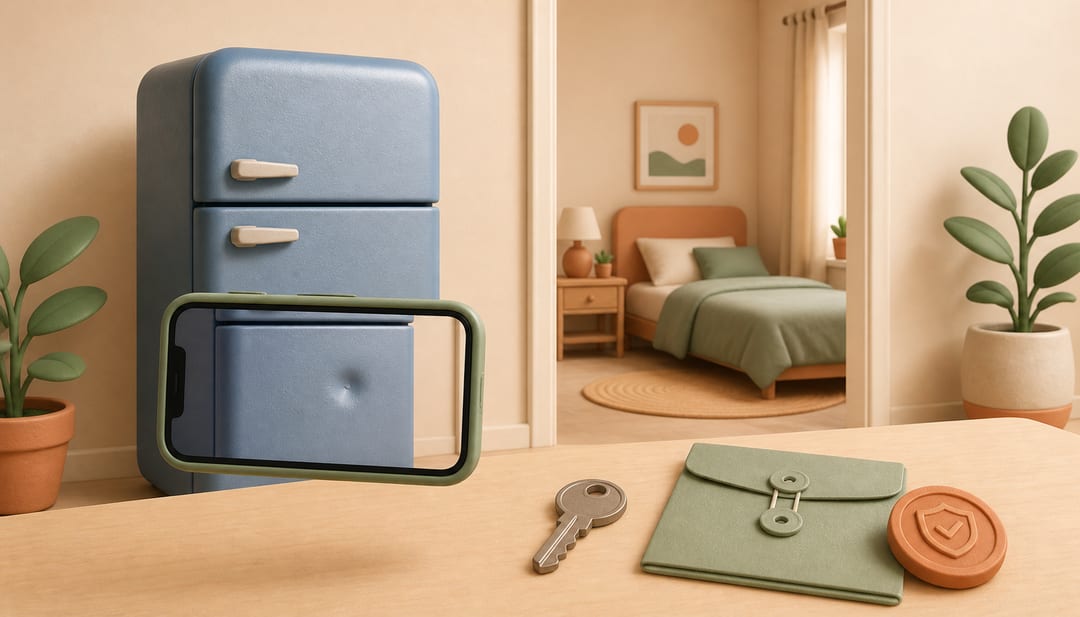
A tenant demand letter for security deposit is a formal written request by a tenant to a landlord, asking for the return of their security deposit after a rental agreement ends. This legally significant document outlines reasons for the request, supporting evidence, and a deadline, providing a structured way to avoid legal disputes.
Key Takeaways
- Learn the essential components of a tenant demand letter for a security deposit.
- Understand your tenant rights under U.S. law when a landlord withholds your deposit.
- Get step-by-step tips to draft a clear and professional demand letter.
- Avoid common mistakes that weaken your claim for deposit refunds.
- Access further resources for legal resolution and tracking follow-ups.
How to Write a Tenant Demand Letter for a Security Deposit
A tenant demand letter is critical to recovering withheld security deposits. Follow these actionable steps to write an effective letter.
1. Address the Letter to the Right Party
Always address your demand letter directly to your landlord or property manager. Include their exact name and address listed in your lease agreement to ensure proper delivery.
Example:
John Smith
123 Property Management
456 Main St, Suite 100
Los Angeles, CA 90012
By addressing the correct party, you build a legally sound record of contact.
2. Provide a Clear Subject Line
Use a direct subject line that specifies the purpose of your letter.
Example:
"Subject: Demand for Security Deposit Refund – [Rental Property Address]"
This clearly conveys the issue without ambiguity, helping landlords prioritize and respond promptly.
3. State the Reason for Termination
Briefly explain why the lease ended and when. Example:
"The lease for [Rental Property Address] ended on August 31, 2023. I vacated the premises in accordance with the lease terms, leaving the property in good condition."
Citing specific dates ensures accuracy and demonstrates compliance with lease obligations.
Comparison: Proper vs. Improper Deposit Requests
| Feature | Proper Request | Improper Request |
|---|---|---|
| State Legality | Rights under state-specific laws (e.g., California dictates deposits returned within 21 days). | Vague reference to "tenant rights" without legal basis. |
| Detailed Record | Attach receipts/photos of property condition. | No evidence to support claims. |
| Reasonable Deadline | State exact dates: "Refund requested by October 15, 2023." | Use of non-specific language like "as soon as possible." |
Ensure your demand letter demonstrates professionalism and clarity, as these factors can influence the landlord's response.
4. Reference State Laws on Security Deposits
Every U.S. state has specific laws about security deposit refunds. For example:
- California: Landlords must return deposits within 21 days of lease termination (CA Civil Code §1950.5).
- New York: Deposits must be refunded within 14 days or with a detailed damage bill.
Be explicit about applicable laws to strengthen your claim.
5. Demand a Timeline for Payment
Set a firm but reasonable deadline for the refund. Example:
"I expect the full return of my $1,200 security deposit no later than October 15, 2023. If I do not receive payment by this date, I will pursue legal action."
This deadline motivates landlords to act promptly.
6. Include Supporting Evidence
Attach these documents to make your case more compelling:
- Copy of Lease Agreement: To confirm deposit terms.
- Photos/Video of Property Condition: Evidence that no damages occurred.
- Termination Letter: Proof that you complied with all lease-ending terms.
Tip: Keeping copies of all communication ensures transparency and accountability.
Common Mistakes to Avoid in Your Demand Letter
- Being Vague: Avoid phrases like "a reasonable time" or "some damages."
- Omitting Evidence: Always include photos and receipts.
- Forget Deadlines: Without deadlines, landlords may delay responses indefinitely.
- Emotional Appeals: Use professional, fact-based language to maintain credibility.
FAQ: Tenant Demand Letter for Security Deposit
1. Can landlords legally withhold my security deposit?
Yes, but only under certain conditions like unpaid rent or documented property damage. Always check your state’s tenant laws for specifics.
2. What should I do if the landlord doesn’t respond to my demand letter?
If your landlord fails to respond, you can file a claim in small claims court. Retain all communication records as evidence.
3. How long should my demand letter be?
Keep it concise—ideally one page. Include all key information and evidence without unnecessary details.
4. Can I deduct unpaid utilities from my security deposit?
No. Landlords must deduct unpaid utilities separately and provide an itemized bill detailing these amounts.
5. Do I need a lawyer to write a demand letter?
Not necessarily. Most tenants can draft effective demand letters by following guidelines, but consulting one for complex disputes may help.
Get Help from Pine AI
Pine AI automatically tracks your bills, subscriptions, and recurring charges to help you stay on top of financial payments. Whether it’s a pending refund or unexpected charge, Pine simplifies life for renters like you. Download the app to manage disputes and refunds with ease.