An uninhabitable hotel room is a lodging space that fails to meet basic health, safety, and comfort standards due to issues like unsanitary conditions, severe structural damage, or lack of essential utilities such as water or electricity.
What Qualifies as an Uninhabitable Hotel Room?
A hotel room is considered uninhabitable when it cannot provide a safe, clean, and functional living environment for its guests. Common reasons include unaddressed pest infestations, lack of running water, extreme temperatures with no functioning HVAC system, or significant safety hazards such as exposed wiring. In these cases, guests are typically entitled to demand compensation or alternative accommodations.
Key Takeaways
- An uninhabitable hotel room fails to meet fundamental health, safety, or comfort standards.
- Examples include pest infestations, mold, non-functional utilities, or significant safety violations.
- Hotels are obligated to either fix the issue, provide a room change, or issue refunds.
- A documented escalation process increases the likelihood of receiving compensation.
- Tracking expenses and timelines is critical for resolving disputes effectively.
Common Issues That Make a Hotel Room Uninhabitable
The line between inconvenience and uninhabitability can be subjective, but the following issues are generally considered severe enough to render a hotel room uninhabitable:
1. Health Hazards
Pest infestations, severe mold, and unsanitary facilities are major health risks that violate safety regulations. For example, visible bedbugs, black mold in the bathroom, or dirty linens are grounds for immediate complaints.
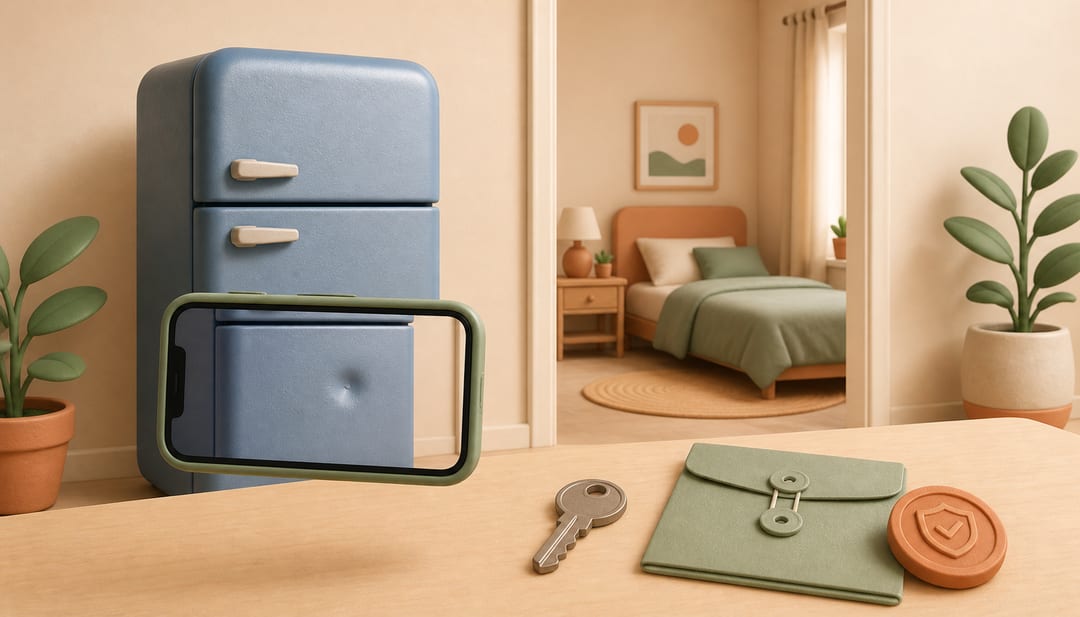
- Evidence: Photos of pests or mold, receipts from additional cleaning services.
- Relevant Codes: OSHA mandates hotels maintain clean and pest-free environments.
2. Unsafe Structural Conditions
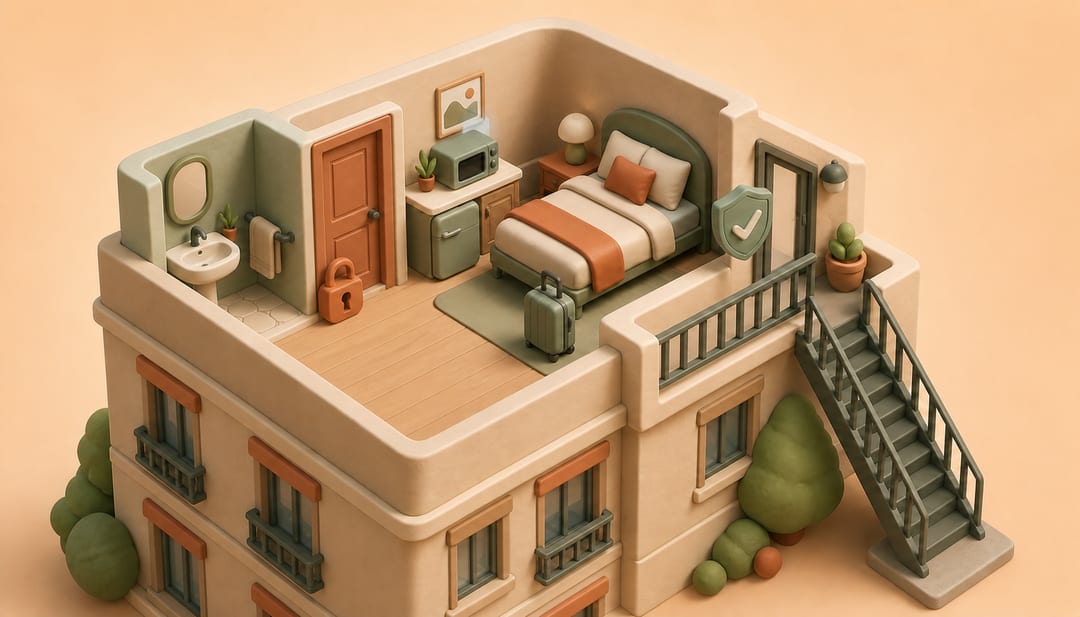
Exposed wiring, broken locks, or unsafe balcony railings pose immediate safety risks. Any condition that exposes guests to avoidable injury qualifies as uninhabitable.
- Legal Precedent: Most state health departments allow guests to seek refunds or voided contracts under such circumstances.
3. Lack of Essential Utilities
A hotel must provide functioning utilities like running water, electricity, and temperature control.
- Example: A room without heating in winter or working air conditioning in 100°F heat would qualify as uninhabitable.
4. Severe Noise Disturbances
Noise complaints alone don’t usually make a room uninhabitable unless the noise prevents sleep or relaxation. Construction directly adjacent to the room, blaring music late at night, or ongoing roof repairs are examples where noise escalates the problem.
For more details on refunds related to disturbances, visit our hotel noise complaint uninhabitable room full refund escalation guide.
How to Escalate Complaints for Uninhabitable Hotel Rooms
Resolving issues with an uninhabitable room often involves escalating to higher management. Here’s a quick step-by-step guide:
| Step | Action | Timeframe |
|---|---|---|
| Step 1: Document the Issue | Take photos/videos and list all problems clearly. Request written acknowledgment from hotel staff. | Within 24 hours of discovery. |
| Step 2: Notify Front Desk | Report the issue immediately, citing safety or health concerns. Request a room change or fix. | Immediate. |
| Step 3: Escalate to Management | If unresolved, ask for the general manager’s contact details and escalate formally via email. | Same day. |
| Step 4: Demand Refund or Alternative | Politely state your expectations (room change, refund, or compensation). Include evidence. | Allow 48 hours. |
| Step 5: Seek External Help | File a dispute with the booking platform or contact the local consumer rights agency. | Within 7 days. |
Note: If booked through a travel platform, also notify their customer service team as soon as possible.
Refund Eligibility for Uninhabitable Rooms
Guests may be eligible for a partial or full refund depending on how significantly the issues impacted their stay. Here’s a breakdown of refund specifics:
| Category | Partial Refund | Full Refund |
|---|---|---|
| Health or Safety Risks | Refund limited to used days if issue partially addressed. | Full refund when hotel can't fix or relocate guests. |
| Utility Failures | Calculated based on loss of utility (e.g., 50% refund for partial days). | Full refund for prolonged failure exceeding one day. |
| Immediate Relocation Costs | Hotels may reimburse new hotel’s cost. | Responsibility shifts to hotel. |
FAQs
What are my rights if my hotel room is uninhabitable?
Under U.S. consumer laws, you have the right to immediate remediation or compensation if your hotel room fails to meet minimum safety and habitability standards. Contact management immediately to resolve the issue.
Can I get a refund if the hotel refuses a room change?
Yes, if the hotel refuses or is unable to provide an alternative, you may demand a refund for unused nights. File a dispute with the booking platform if the hotel denies your refund request.
What proof do I need when claiming a refund?
Provide photos/videos of the uninhabitable conditions, copies of written or digital complaints, and any receipts for alternative arrangements.
When should I escalate my complaint to a travel platform?
If the hotel doesn’t resolve your issue within 24–48 hours or denies your refund request altogether, escalate to the booking platform or local consumer protection agency.
Are severe noise issues enough to claim a refund?
Yes, if the noise is extreme—such as construction work or neighboring events during sleeping hours—it can render the room uninhabitable under most state laws.
Pine AI Simplifies Refund Tracking
Tracking hotel refund disputes can be tedious, but Pine AI helps you monitor every step. Our app automatically tracks bills, subscriptions, and refunds so you can stay organized. Let Pine AI resolve your next refund issue.