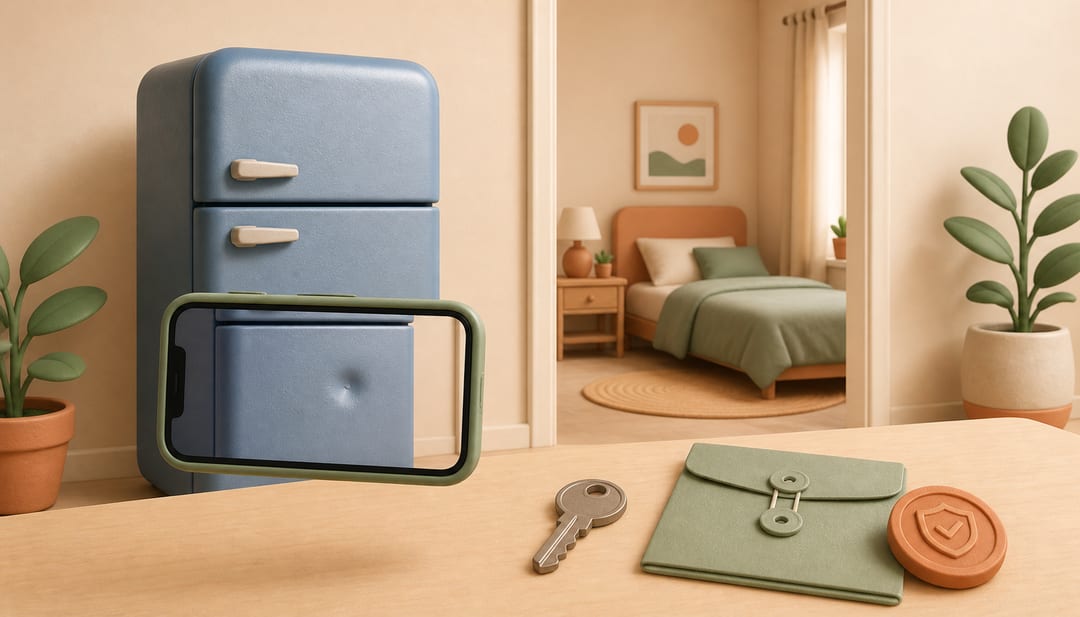
Your landscaping contractor tore up the yard three weeks ago, collected a $3,000 deposit, and has not been back since. Or maybe they finished half the deck, ran out of materials, and stopped returning your calls. Either way, you are stuck with incomplete contractor work and a shrinking bank account.
You are not alone. The Better Business Bureau receives tens of thousands of complaints annually about contractors who fail to complete projects. Home improvement disputes consistently rank among the top consumer complaint categories nationwide.
This checklist gives you a clear, step-by-step process for resolving the situation, whether that means getting the work completed, negotiating a settlement, or recovering your money.
Step 1: Document Everything Right Now
Before you make a single phone call, create a record of exactly where things stand.
Your documentation checklist:
- [ ] Photograph every area of incomplete work from multiple angles
- [ ] Save all text messages, emails, and voicemails from the contractor
- [ ] Locate your original contract, proposal, or written estimate
- [ ] Compile all payment receipts, canceled checks, and bank transfer records
- [ ] Write a timeline of events: when work started, when it stopped, and every communication attempt since
- [ ] Note the names of any witnesses (neighbors, family members) who saw the work or lack of work
This evidence package serves two purposes. First, it establishes the current state of the project if you need to file a complaint or go to court. Second, it gives you leverage in negotiations. A contractor who knows you have thorough documentation is more likely to settle fairly.
Step 2: Determine What You Are Owed
Calculate the gap between what you paid and what you received. Be specific.
| Item | Amount |
|---|---|
| Total contract price | $8,500 |
| Amount paid to date | $3,000 |
| Estimated value of work completed | $1,200 |
| Overpayment (paid minus value received) | $1,800 |
| Cost to hire replacement contractor | $6,000–$7,500 |
These numbers matter. If the work completed is worth less than what you paid, you have grounds to demand a refund of the difference. Get at least two quotes from other contractors to establish the cost of completing the remaining work. This gives you a realistic picture of your financial exposure.
Step 3: Send a Formal Written Demand
Do not rely on phone calls or casual texts. Send a written demand via email and certified mail. Your demand should include:
- A description of the incomplete work
- The specific contract terms that were violated
- The dollar amount you are requesting (refund, completion, or both)
- A deadline for response, typically 10 to 14 business days
- A statement that you will pursue legal remedies if the matter is not resolved
Keep the tone professional and factual. Emotional language weakens your position. If drafting a formal demand feels intimidating, AI tools like Pine can help you compose a clear, professional letter that covers all the necessary legal elements in minutes.
Step 4: Explore Resolution Paths
Once you have sent your demand, you have several paths forward depending on the contractor's response.
If the contractor responds and wants to negotiate:
This is the best-case scenario. Focus on getting any agreement in writing. Common resolutions include the contractor returning a portion of your deposit, the contractor agreeing to complete a reduced scope of work by a specific date, or a mutual release where both parties walk away with defined terms.
One homeowner recently found themselves in exactly this situation with a landscaping company. After the contractor agreed verbally to keep the deposit and void the remaining contract, they used Pine to quickly draft a professional email memorializing the settlement terms. The contractor replied agreeing to everything within minutes, turning a stressful verbal understanding into a documented resolution.
If the contractor ignores your demand:
Move to Step 5.
If the contractor disputes your claim:
Consider mediation. Many counties offer free or low-cost mediation services for contractor disputes. Mediation resolves roughly 70% to 80% of cases that go through the process, according to data from the American Arbitration Association.
Step 5: File Complaints and Escalate
If direct communication fails, escalate through official channels.
Where to file complaints:
- [ ] State contractor licensing board. Most states require contractors to be licensed. A complaint can trigger an investigation and potential license suspension. Search "[your state] contractor license lookup" to verify their license status first.
- [ ] Better Business Bureau. File a complaint at bbb.org. Many contractors respond to BBB complaints because unresolved complaints damage their rating and visibility.
- [ ] State attorney general's consumer protection division. File a complaint for potential violations of consumer protection laws.
- [ ] Local building department. If the contractor pulled permits, notify the building department that work was abandoned. This can create additional pressure for the contractor to resolve the situation.
Step 6: Consider Small Claims Court
For disputes under your state's small claims limit (ranging from $2,500 to $25,000 depending on the state), small claims court is fast, affordable, and does not require a lawyer.
Small claims basics:
- Filing fees typically range from $30 to $100
- Most cases are heard within 30 to 60 days of filing
- You represent yourself; no attorney needed
- Bring all documentation from Step 1
- Judgments can be enforced through wage garnishment or bank levies
For amounts above your state's small claims limit, consult an attorney. Many construction and consumer attorneys offer free initial consultations and may take cases on contingency for larger disputes.
Step 7: Protect Your Property
While you work through the resolution process, take these immediate protective steps:
- [ ] Change any access codes or keys the contractor had to your property
- [ ] Secure the work site to prevent weather damage or safety hazards to incomplete structures
- [ ] Check for mechanic's liens at your county recorder's office, especially if subcontractors or material suppliers were involved
- [ ] Do not hire a replacement contractor immediately if you are still negotiating, as this can complicate your claim for damages
- [ ] Review your homeowner's insurance for any coverage related to contractor abandonment or defective work
Bottom Line
When your contractor abandons a project, speed and documentation are your two greatest assets. Document the current state of work immediately, calculate what you are owed, send a formal written demand, and escalate through complaints and court if needed. Most contractor disputes settle before reaching a courtroom, but only when the homeowner has a clear paper trail and knows exactly what they are owed. Follow this checklist methodically, and you will be in the strongest possible position to recover your money or get your project completed.