A security deposit is an advance payment a landlord collects from a tenant to cover potential rent defaults, damages beyond normal wear and tear, or other lease violations.
What Can a Landlord Deduct from a Deposit?
A landlord can deduct from a security deposit for unpaid rent, damages exceeding normal wear and tear, cleaning costs to restore the unit to move-in condition, and unpaid utilities if allowed by state law. These deductions must comply with local landlord-tenant laws and be documented with an itemized statement.
Key Takeaways
- Landlords primarily deduct for rent arrears, excessive damages, cleaning fees, and unpaid utilities.
- Normal wear and tear (e.g., minor wall scuffs, carpet wear) cannot be deducted.
- Tenants are entitled to an itemized statement of deductions under most state laws.
- Proactive steps, like walkthroughs, can minimize disputes over security deposit returns.
- Tenants should know their state's security deposit regulations to uphold their rights.
Common Reasons for Deductions
Landlords have clear guidelines for what can and cannot be deducted from a tenant's security deposit. Here are the most common permissible reasons:
1. Unpaid Rent
Landlords can deduct any outstanding rent balance at the end of the lease term. For instance, if a tenant owes $500 in rent when vacating, that amount may be subtracted from the deposit.
Example: Tenant fails to pay the last month's rent. Landlords can legally use the security deposit to cover this cost, but they must provide written proof (e.g., lease agreement and ledger) of the unpaid rent.
2. Damages Beyond Normal Wear and Tear
"Normal wear and tear" refers to the natural deterioration of a property caused by regular use. Examples include faded carpet or minor nail holes on walls. Anything beyond this threshold, like pet damage, holes in walls, or broken appliances, is typically considered excessive damage that justifies a deduction.
| Examples | Normal Wear and Tear | Beyond Normal Wear and Tear |
|---|---|---|
| Carpet | Light fading, minor thinning | Stains, burns, or ripped sections |
| Walls | Small nail holes | Large holes, deep scratches |
| Appliances | Minor surface scratches | Broken components or rust |
State-specific laws differ on allowable deductions. For instance, California defines "reasonable" repair expenses, while Texas landlords must ensure repairs are not excessive or inflated.
3. Cleaning Costs
Landlords can charge for cleaning only if the unit is left in an unsanitary condition that exceeds normal usage. However, landlords cannot bill for cleaning to reach "brand new" standards.
Example: A refrigerator left with significant food residue or a kitchen sink filled with grease may warrant a cleaning charge. On the other hand, routine cleaning of dust or minor soap scum buildup is non-deductible.
4. Unpaid Utility Bills
If utilities such as water, gas, or electricity are unpaid and the lease agreement identifies them as tenant responsibilities, landlords can deduct these amounts from the deposit. This is especially common when utilities are billed after move-out.
Example Scenario: A tenant vacates on January 1 but the final water bill for December (totaling $85) is unpaid. In this case, the landlord may deduct the utility cost directly from the deposit.
Proactive Steps to Avoid Disputes
-
Conduct a Move-in Walkthrough
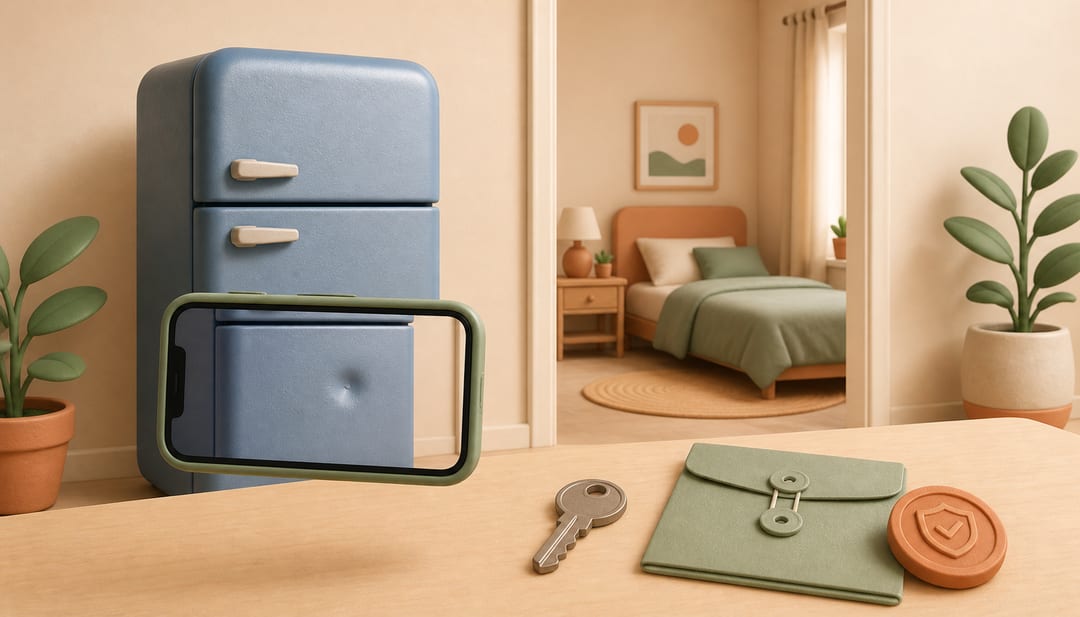
Document the property's condition at the beginning of the lease with photos or videos. This establishes a baseline for normal wear and tear. -
Request a Pre-Move-Out Inspection
Many states, including California, allow tenants to request an inspection before moving out. During this walkthrough, the landlord identifies potential deductions, enabling tenants to address issues proactively. -
Clean Thoroughly and Repair Minor Damage
Deep clean the property, fill nail holes, and fix minor repairs before move-out to align with move-in conditions. -
Demand an Itemized Statement
Landlords must legally provide an itemized deduction list (typically within 14-30 days depending on state law). Tenants should request receipts for deducted items to verify legitimacy.
For a comprehensive breakdown, check out our landlord withholding security deposit guide.
Comparison: Legitimate vs. Illegitimate Deductions
| Aspect | Legitimate Deduction | Illegitimate Deduction |
|---|---|---|
| Unpaid Rent | $1,000 rent arrears | Late rent penalties not outlined |
| Excessive Damage | Pet urine stains on carpet | Faded carpet |
| Cleaning | Removing extensive grime or odors | Making unit "like new" |
| Utility Bills | Final water bill ($85) | Utility costs outside lease date |
| Normal Wear and Tear | N/A | Scuffs, light fading, minor nail holes |
FAQs
1. What can a landlord deduct from a security deposit?
Landlords can deduct for unpaid rent, damages exceeding normal wear and tear, cleaning costs, and outstanding utilities. Deductions must comply with state laws and be documented.
2. What is considered normal wear and tear?
Normal wear and tear includes gradual property aging due to normal use, such as faded carpets or minor wall scuffs. It excludes damages like broken appliances or large holes.
3. Can a landlord deduct for professional carpet cleaning?
Yes, if the carpet's condition exceeds normal wear (e.g., heavy stains or burns). However, cleaning to restore "new condition" is not permissible.
4. Is it legal to deduct for painting walls?
Painting costs are generally not deductible unless the walls are excessively damaged, such as graffiti or deep stains.
5. How long does a landlord have to return a deposit?
In most states, landlords must return the deposit or provide an itemized deduction summary within 14–30 days. Check your state’s law for specifics.
Pine AI: Simplify Money Management
Pine automatically tracks your security deposit refunds, bills, and subscriptions. Stay informed, save money, and avoid disputes with Pine AI’s innovative tools. Learn more here.