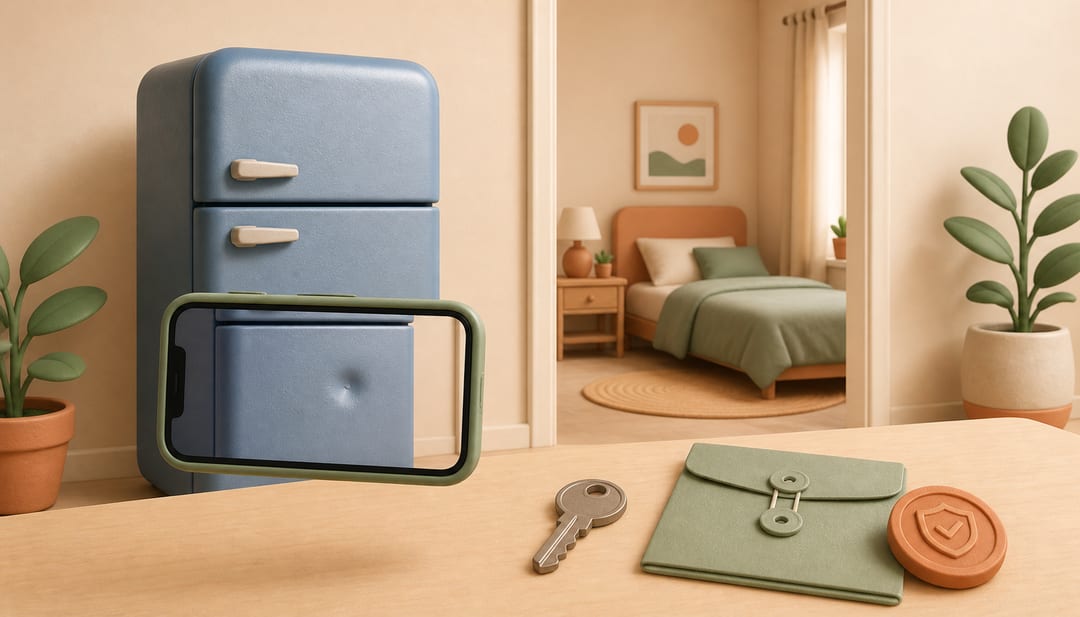
A false damage deposit claim is a dispute where landlords wrongly accuse tenants of causing property damage to unfairly retain some or all of a security deposit. Resolving these disputes requires knowledge of tenant rights, proper documentation, and effective communication.
How to Handle a False Deposit Damage Claim
Key Takeaways
- Understand your rights under tenant laws in your state.
- Collect solid evidence like photos, videos, and receipts.
- Communicate with your landlord in writing and negotiate.
- Escalate to small claims court if negotiation fails.
- Proactively document your rental condition to avoid future disputes.
Step 1: Know Your Tenant Rights
Every state has specific landlord-tenant laws that outline your rights. In most states, landlords can only withhold security deposits for unpaid rent, legitimate damage beyond normal wear and tear, or contractual breaches. If your landlord’s claim doesn’t meet these criteria, their actions may be illegal.
For instance:
- California law: Landlords must return deposits within 21 days and provide a detailed itemized list of deductions.
- New York law: Normal wear and tear cannot be deemed as "damage."
Verify the rules in your state! The U.S. Department of Housing and Urban Development (HUD) offers tenant-right resources here.
Step 2: Document the Dispute
Documentation is critical when challenging a false claim. Detailed records establish indisputable evidence.
Recommended Documentation:
- Move-in Checklist: Ensure you've documented the property’s condition upon move-in.
- Photos and Videos: Date-stamped images of the property before and after the lease.
- Receipts and Bank Statements: Proof of rent payment, deposit transfers, or professional cleaning services.
- Written Communication: Save emails, texts, or letters exchanged with your landlord about the dispute.
Step 3: Write a Formal Dispute Letter
Send a formal dispute letter if you believe the landlord has wrongfully retained your deposit. Use professional language and include specific evidence supporting your claim.
What to Include:
- Detailed reason why you disagree with the claim.
- Supporting evidence, such as photos or receipts.
- Reference pertinent tenant laws in your state.
- Request a clear resolution (e.g., deposit refund) and provide a deadline, such as 10–14 business days.
Example:
"Dear [Landlord’s Name],
I noticed the deductions on my security deposit for alleged damages. Attached are photos and documentation disproving those claims. Per [State Law], these are normal wear and tear items. Kindly refund [$ amount] by [deadline date]."
Step 4: Negotiate with Your Landlord
Open communication may resolve false claims without escalating the situation. Arrange a discussion (preferably in writing or recorded) and calmly present your evidence. Often, landlords settle rather than risk a legal battle.
Step 5: File in Small Claims Court (If Needed)
If negotiations fail, filing a lawsuit in small claims court is your final resolution. Most states limit the dollar amount you can claim in small claims court (e.g., $10,000 in California). Seek evidence conformity guidelines required in your state to ensure your evidence is admissible.
Small Claims Filing Steps:
- Research your local court’s procedures.
- Gather all documentation: photos, written communication, lease agreements, etc.
- File the complaint and serve notice to your landlord.
- Prepare to present clear, concise arguments.
Comparison: Formal Communication vs. Small Claims
| Feature | Formal Dispute Letter | Small Claims Court |
|---|---|---|
| Cost | $0 (unless sent via certified mail) | $30–$50 filing fee |
| Time Investment | Minimal | Moderate (court appearance) |
| Approval Odds | Higher if supported by documentation | Case-dependent on evidence |
| Formality Required | Low | High |
FAQs About False Deposit Damage Claims
What qualifies as normal wear and tear?
Normal wear and tear include minor cosmetic issues, such as scuffed walls or faded carpets. Damage beyond normal use, like large holes or stains, is payable by the tenant.
How long does a landlord have to return a security deposit?
It varies by state, but most require return within 14–30 days after move-out. For instance, California requires a return within 21 days.
Can I sue my landlord for withholding my deposit?
Yes, especially if your landlord violates state laws. Small claims court is a common legal recourse.
What happens if my landlord ignores my dispute letter?
You can escalate to legal action, but first, send a certified letter as proof of communication attempt.
How can I protect against false damage claims in the future?
Document everything, including move-in and move-out inspections. Keep copies of all communication and the initial lease agreement.
Pine AI: Simplify Financial Disputes
Keep track of disputes, refunds, and recurring bills effortlessly with Pine AI. Our app monitors subscriptions, tracks security deposit transactions, and offers helpful guides to navigate common financial problems. Explore tools that simplify your financial life: Learn more about Pine AI.