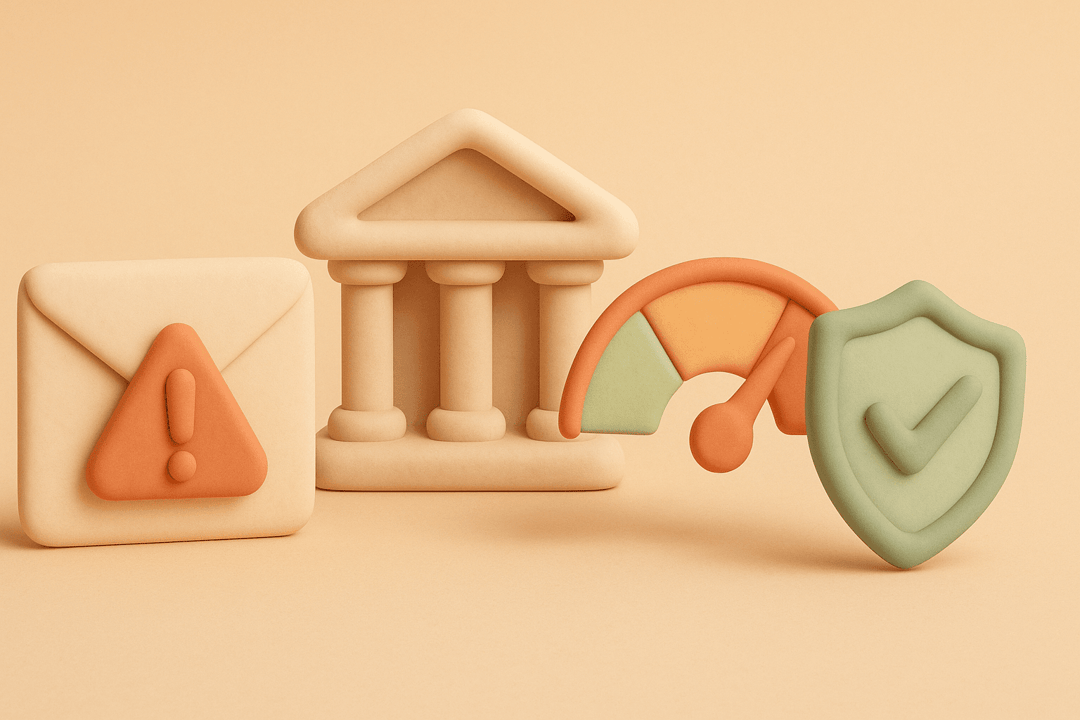
Your bank abruptly closed your account. Then, weeks later, you get a letter from a collection agency claiming you owe money. This double punch — losing your banking relationship and facing collections — is disorienting and infuriating. But you have specific legal rights, and most of these collection attempts can be disputed successfully.
Why Banks Send Closed Accounts to Collections
When a bank closes your account, any negative balance (overdrafts, fees, pending transactions) may be sold to a third-party collection agency. Common scenarios:
- Pending transactions settled after closure — payments that were authorized before closure but settled after
- Accumulated fees — monthly fees, overdraft charges, or maintenance fees that accrued
- Negative balance at closure — if your account was overdrawn when the bank closed it
- Disputed charges — charges the bank considers valid but you dispute
Your Rights Under the FDCPA (US)
The Fair Debt Collection Practices Act gives you powerful protections:
| Right | What It Means |
|---|---|
| Debt validation | The collector must prove the debt is valid and that they have the right to collect it |
| 30-day dispute window | You have 30 days from first contact to dispute the debt in writing |
| Cease communication | You can demand the collector stop contacting you |
| No harassment | Collectors cannot call at unreasonable hours, threaten, or use abusive language |
| Accurate reporting | If the debt is disputed, it must be marked as disputed on your credit report |
Step-by-Step: How to Fight Back
Step 1: Don't Panic (or Pay) Immediately
When you receive a collection notice:
- Do NOT pay anything yet
- Do NOT confirm the debt over the phone
- Do NOT provide banking information to the collector
- DO save the letter and note the date you received it
Step 2: Send a Debt Validation Letter (Within 30 Days)
Send a written letter to the collection agency requesting:
- Proof that the debt is valid
- The original creditor's name and account number
- A complete accounting of the amount claimed
- Proof that the collection agency has the right to collect
Send this via certified mail with return receipt. The collector must stop collection attempts until they validate the debt.
Step 3: Dispute with the Bank
Separately, contact the bank:
- Request a detailed accounting of how the negative balance occurred
- Dispute any fees you believe are unjustified
- If the account was closed without your consent and you had a positive balance, demand an explanation of how it went negative
- File a formal complaint through the bank's internal process
Step 4: Check Your Credit Report
Pull your credit report from annualcreditreport.com:
- Check if the collection appears
- If it does, file a dispute with the credit bureau if the debt is invalid
- If you've sent a validation letter, the collection should be marked as "disputed"
Step 5: Escalate to Regulators
If the bank won't help and the collector won't validate:
- US: File complaints with the CFPB (for the bank) and the FTC (for the collector)
- Canada: File with OBSI (for the bank) and your provincial consumer protection office (for the collector)
When the Collection Is Likely Invalid
The collection is probably not legitimate if:
- Your account had a positive balance when it was closed
- Fees were added after the account closure
- You weren't given proper notice of the negative balance
- The amount doesn't match any charges you authorized
- The bank can't provide an accounting of how the balance went negative
The Bottom Line
A collection notice after an account closure is frightening but often disputable. Send a debt validation letter within 30 days, dispute with the bank separately, and check your credit report. If the bank closed your account unjustly and then sent you to collections, regulators like the CFPB and OBSI take these complaints seriously. Don't pay a debt you don't owe just because a collector demands it. If you'd rather have someone handle the dispute process for you, an AI agent like Pine can draft validation letters, file regulatory complaints, and follow up until the issue is resolved.